How 3D Sampling Helps Fashion Brands Reduce Costly Mistakes Before Production

Have you ever received a sample and immediately felt something was wrong?

The sleeve twists slightly.
The fabric behaves differently than expected.
The proportions looked perfect in the sketch, yet the garment feels unbalanced once it is sewn.

If you work in fashion design or product development, this moment is probably familiar.

The real issue is not the mistake itself. Mistakes are part of the creative process. The real challenge is when those mistakes appear.

When problems appear late in the sampling stage, they become expensive.

Teams must produce more samples.
Development timelines get longer.
Fabric and materials go to waste.
Designers and manufacturers spend extra time solving issues that could have been detected earlier.

But what if many of these problems could appear before the first physical sample is even produced?

This is where 3D Sampling is transforming fashion product development.

Why traditional fashion sampling often leads to multiple revisions

In a traditional fashion workflow, the development process usually follows a predictable path.

A designer creates the concept.
Pattern makers develop the pattern.
Manufacturers produce the first sample.

Only then does the team see how the garment behaves in reality.

Does the fabric fall naturally?
Do the proportions feel balanced?
Does the construction support the intended silhouette?

Very often, the answer is not yet.

The team adjusts the pattern and produces another sample. Then the cycle repeats.

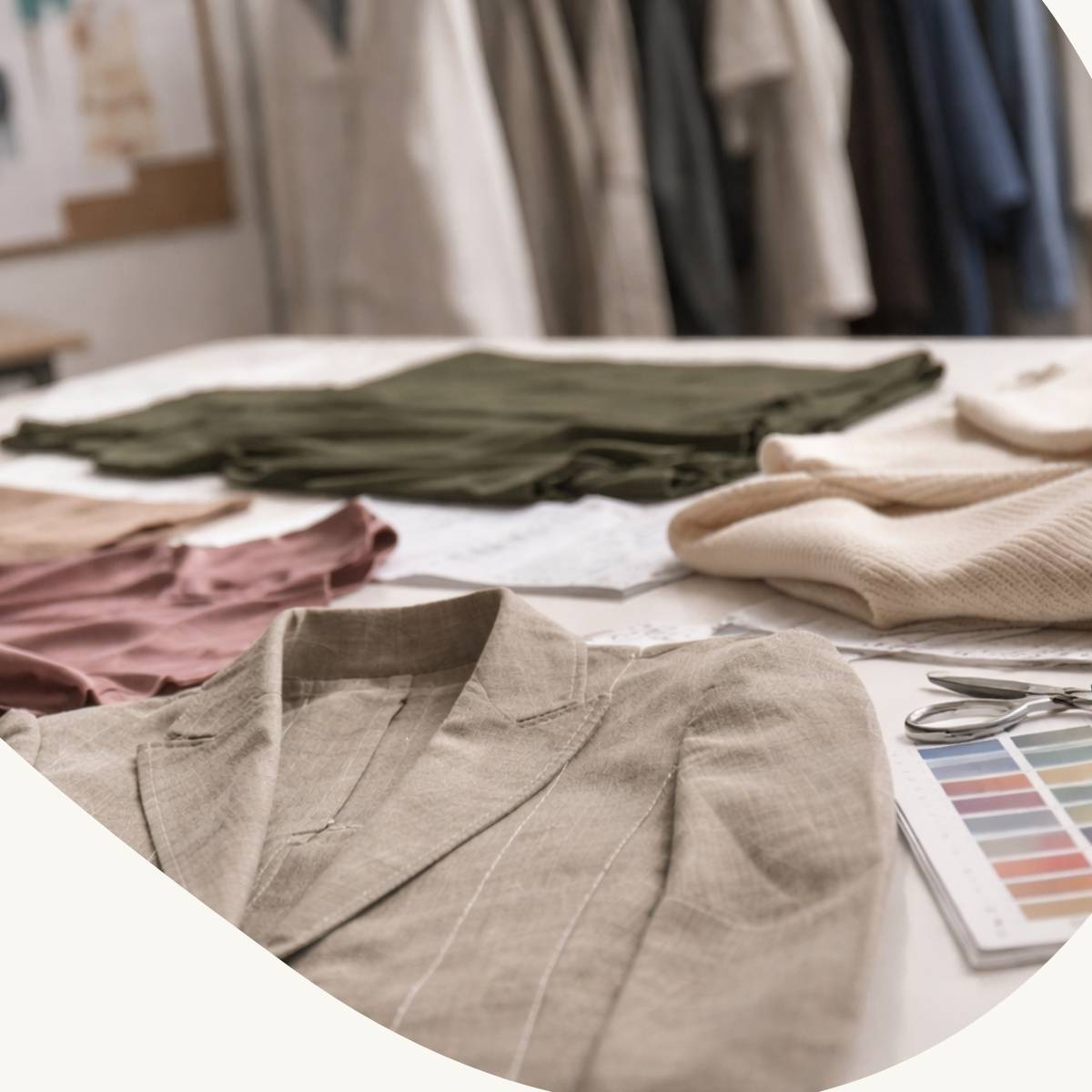
Many fashion brands produce three to five samples for a single garment before they approve the final version. Each round requires new materials, additional production time and more coordination between designers, pattern makers and factories.

For smaller brands, this slows down the development of a collection. Larger brands face increased production costs and longer timelines.

Because of these challenges, more fashion companies now integrate 3D Sampling into their development workflow.

What is digital sampling in fashion?

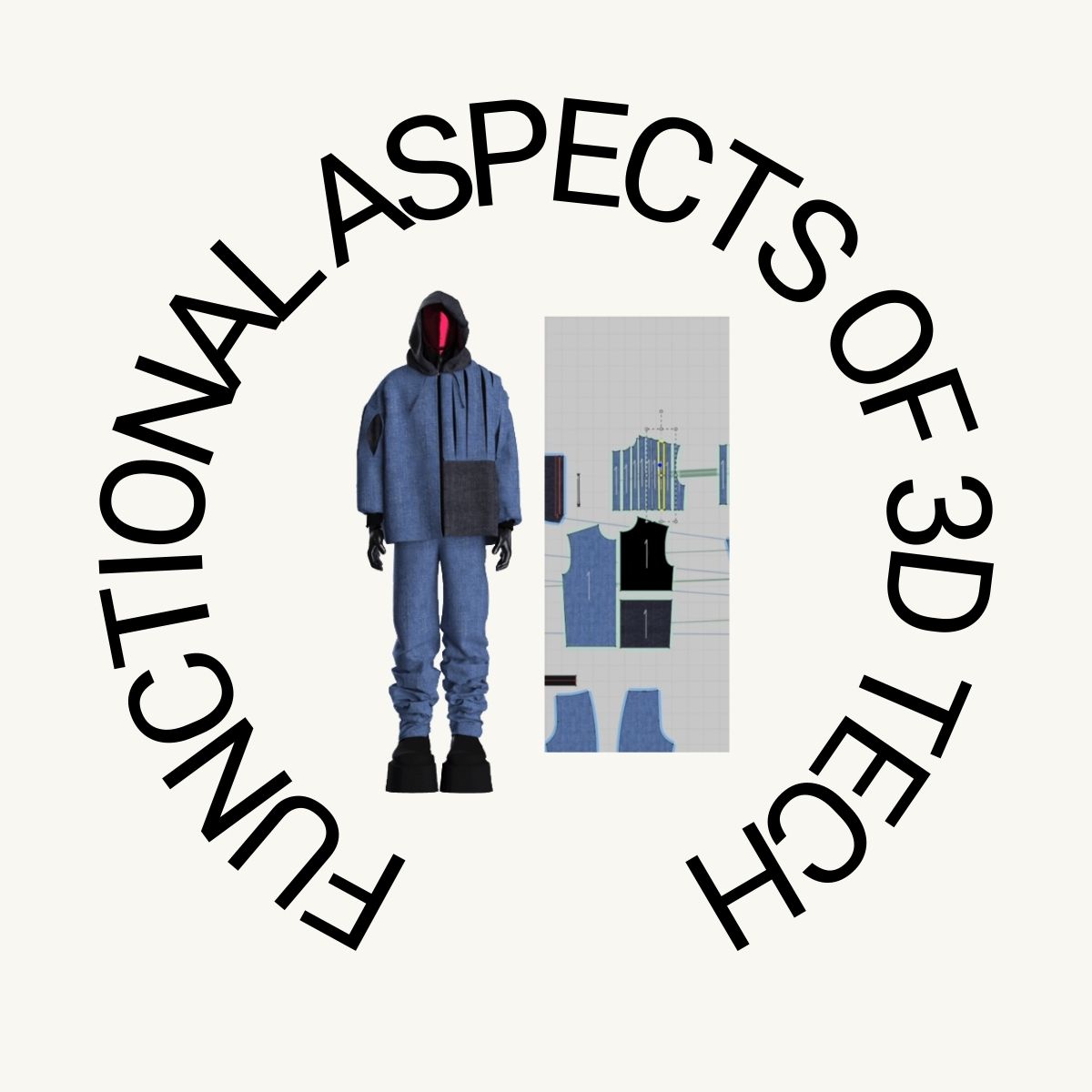
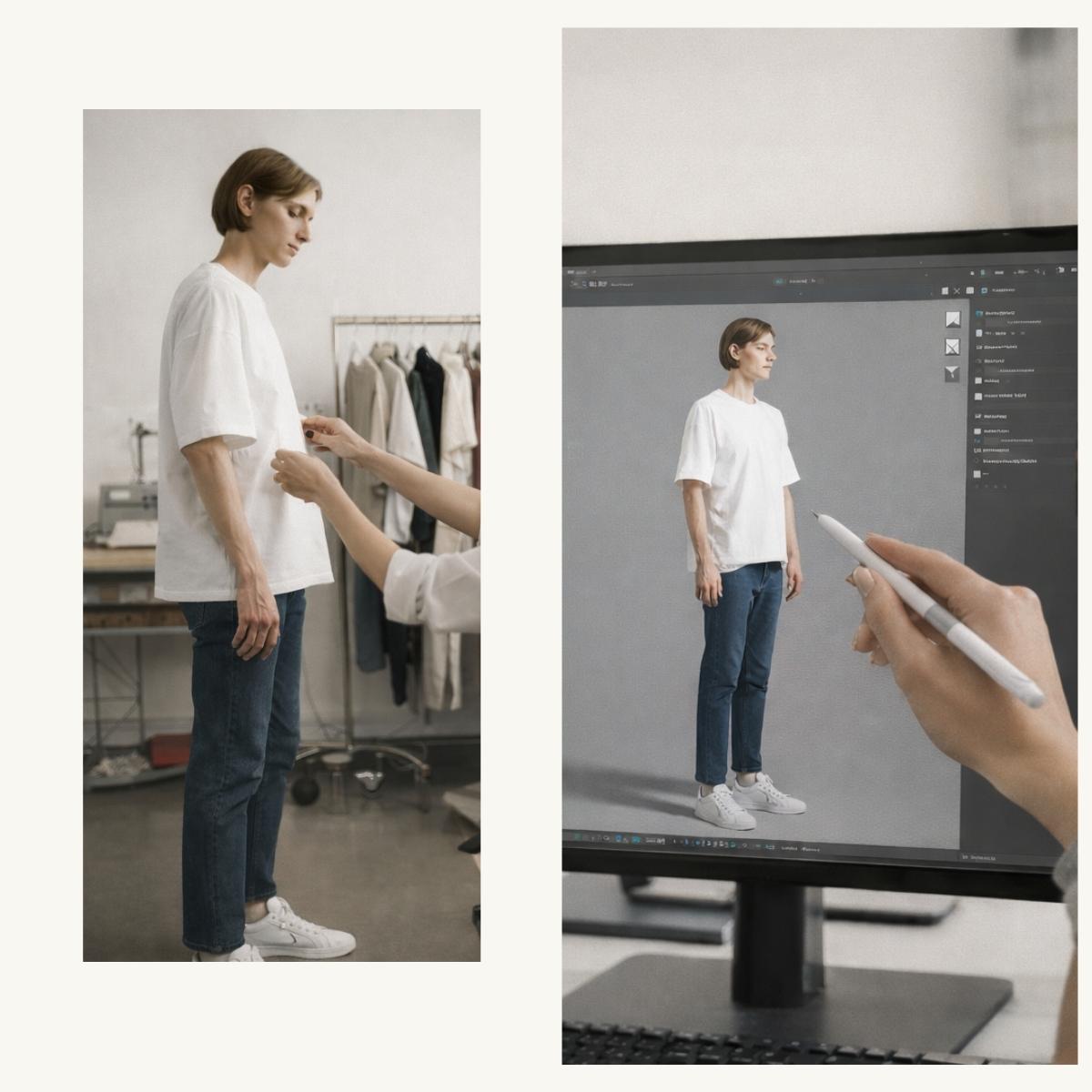
3D Sampling allows designers and pattern makers to simulate garments in a realistic digital environment before producing a physical prototype.

The process uses the actual pattern pieces and digital fabric properties. As a result, the garment appears in a simulation that closely reflects how it will behave in real life.

Instead of imagining how a design might work, teams can observe the garment directly.

Designers evaluate the silhouette.
Pattern makers review the balance of pattern pieces. (Read more here )
Product developers study how the fabric interacts with the construction.

3D Sampling helps teams analyse key elements of garment development early in the process:

  • garment proportions

  • fit and silhouette

  • pattern balance

  • fabric behaviour

  • construction details


Why detecting mistakes earlier changes the development process

Many issues discovered during sampling relate to pattern balance, construction details or fabric interaction.

For instance, a seam placement might create tension in an unexpected area. In other cases, a pattern piece requires adjustment to improve garment balance. Sometimes the fabric alters the intended silhouette once the garment is assembled.

These situations are common in garment development. However, each correction during physical sampling requires a new development round.

Another sample means additional materials, extra production time and further revisions.

With 3D Sampling, teams identify many of these issues earlier in the development process.

Pattern makers can adjust pattern pieces, test construction details and refine proportions during the digital development stage.

This approach reduces the number of sampling rounds required before production.

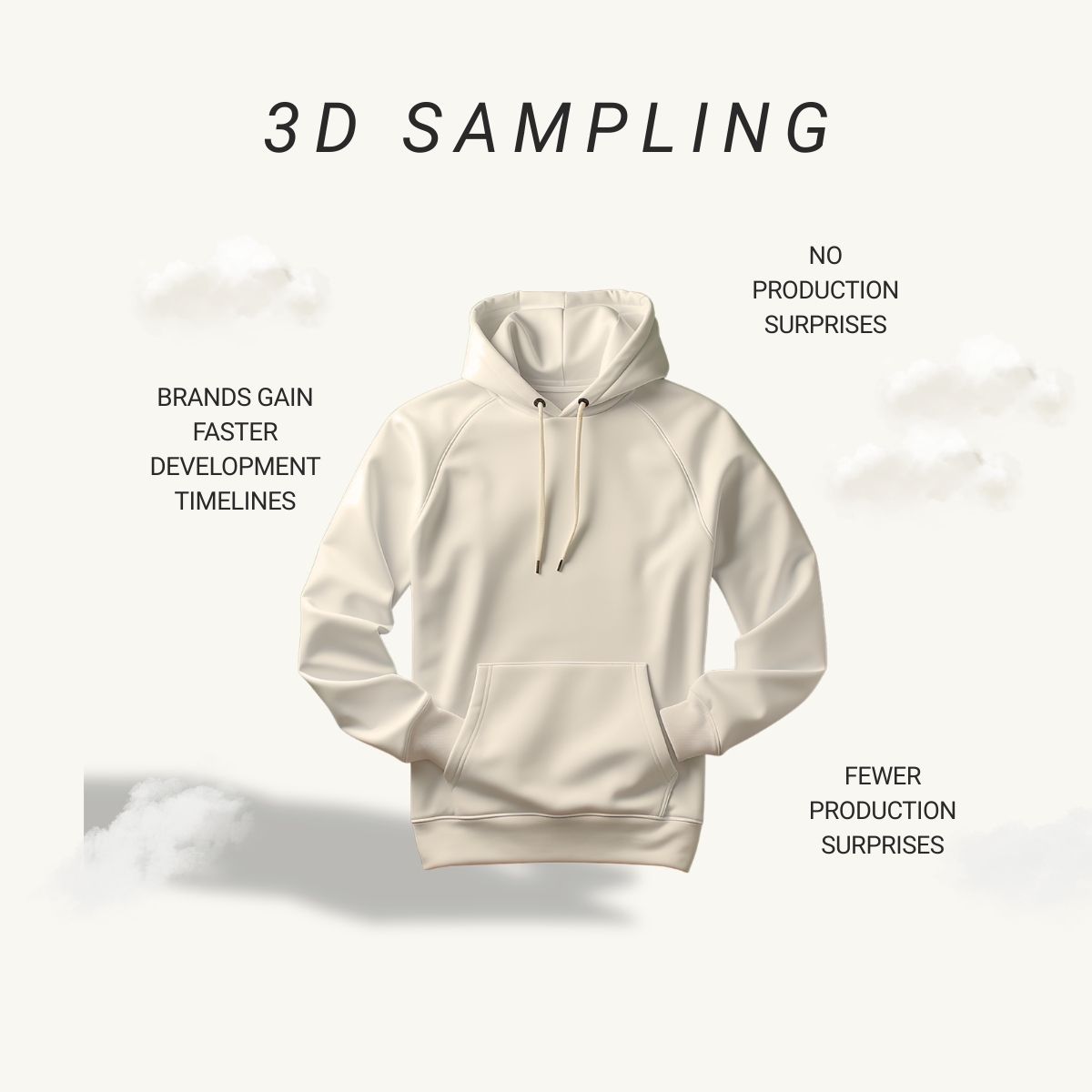
As a result, brands gain faster development timelines, fewer production surprises and better control over production costs.


Improving communication between design teams and manufacturers

3D Sampling also improves communication between teams.

A digital garment simulation gives designers, pattern makers and product developers a shared visual reference. Everyone involved can review the same digital prototype and understand how the garment behaves.

Instead of relying only on sketches or technical drawings, teams evaluate the garment visually.

They can answer important questions earlier in the development process:

Does the silhouette feel balanced?
Does the fabric weight support the design?
Does the construction behave as expected?

For brands working with international manufacturers or remote teams, this shared visual reference reduces misunderstandings and accelerates product development.

 A more efficient and sustainable way to develop collections

3D Sampling does not replace craftsmanship. Skilled pattern making remains essential for fashion product development.

However, digital tools allow teams to test and refine garments earlier, when adjustments remain easier and less expensive.

By identifying issues before physical sampling begins, brands move forward with greater confidence.

This results in:

  • fewer sampling rounds

  • faster collection development

  • reduced material waste

  • improved collaboration between teams

Reducing unnecessary samples also helps brands move toward more sustainable fashion production.


How 3D Sampling supports fashion product development

At 3Diorama Studios, 3D Sampling serves as a development stage that helps brands refine their designs before production begins.

Through this process, designers and fashion brands can visualise garments realistically, analyse pattern behaviour and detect potential issues early in development.

This workflow allows teams to test ideas, refine construction and make informed decisions before moving into physical sampling.

When brands reduce unnecessary sampling rounds, they gain better control over production timelines and development costs.

Because in fashion product development, the best moment to fix a mistake is always the same:

before the garment is ever made.