The Reality of Fashion Development

Fashion development is rarely a straight line from design to production.

Instead, it unfolds as a chain of overlapping stages—blurring, shifting, and occasionally colliding with each other.

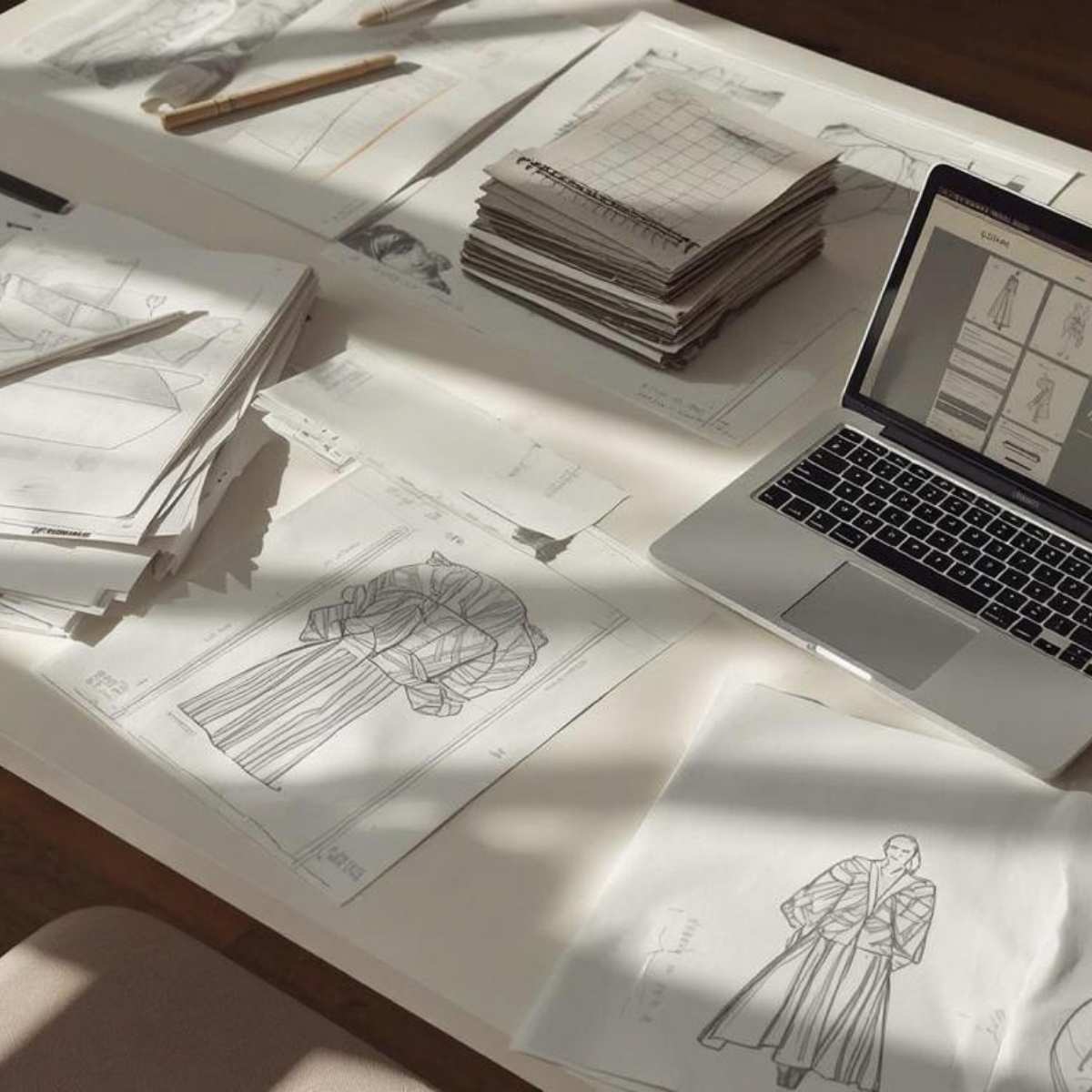
At first, the designer sets the concept.
Then, the pattern begins to take shape—often with missing pieces of information.
A first sample follows.
It returns with comments.
It gets revised.
And then… it gets sent again.

The Sample Loop

Gradually, a familiar rhythm starts to emerge.

Multiple samples.
Small corrections that rarely get properly documented.
Changes passed along verbally.
Files that no one is entirely sure are the latest version.

Meanwhile, the designer notices something slightly off.
The pattern maker adjusts.
The atelier waits for clearer direction.

And every time something doesn’t sit quite right, the response is usually the same:

Another sample.

The Hidden Cost of the Fashion Development Process

In Greece, this loop has almost become part of the process.

However, this isn’t just an issue of organisation—it’s a matter of cost.

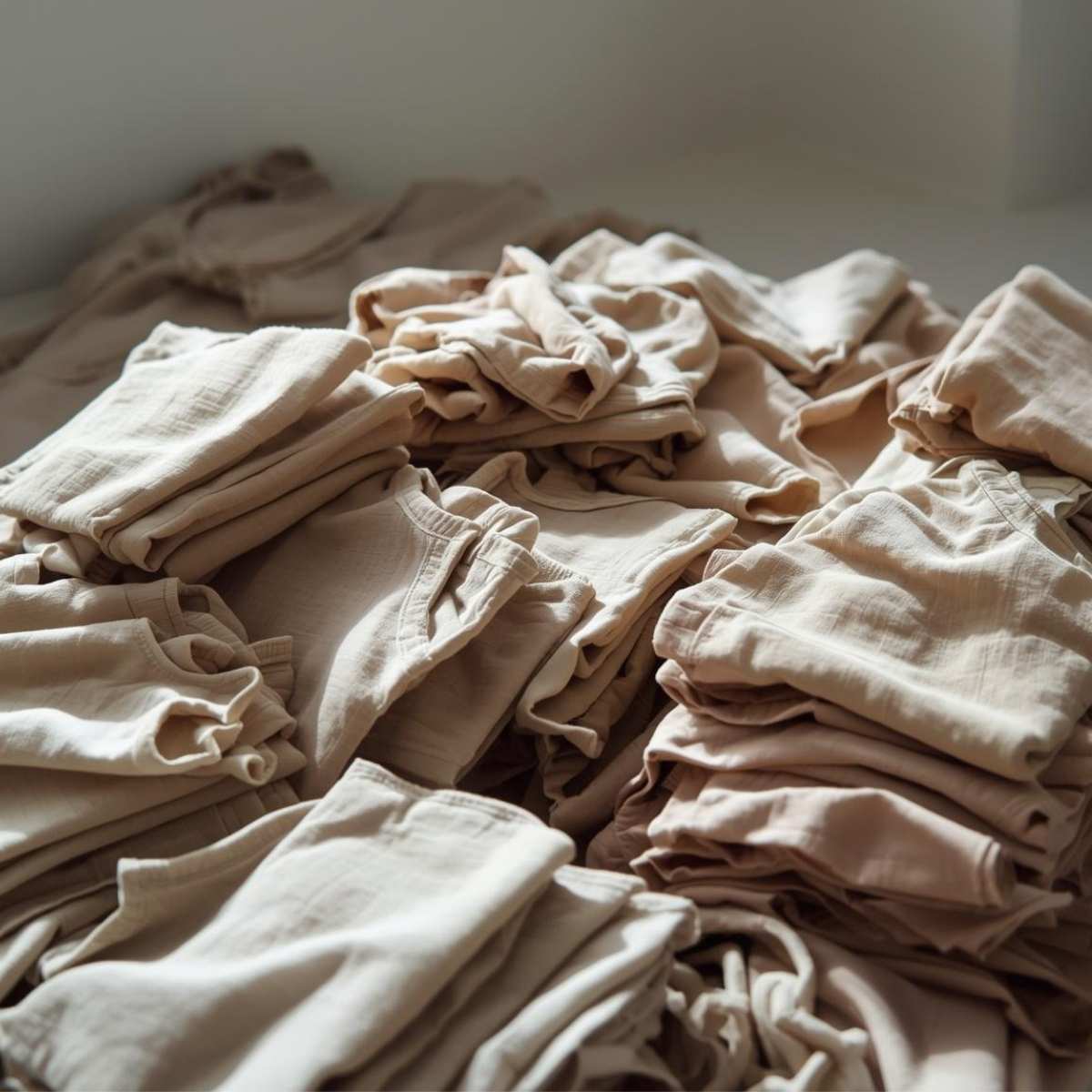
Every sample requires time, money, and materials.
At the same time, uncertainty leads to more emails, more calls, and more “let’s take another look.”(Read more here)

As a result, by the time production approaches, everything feels almost ready—yet nothing is truly final.

This is where the fashion development process quietly begins to break down.

The chaos may not be obvious yet, but the cost is already there.


Where the Fashion Development Process Breaks Down

This is where the fashion development process quietly starts to break down.

The chaos may not be obvious yet, but the cost is already there.

This is a common issue in the fashion development process, especially in small and mid-sized brands.

And that’s exactly where the approach needs to shift.

Because the goal isn’t to produce more samples or to push the process harder.

The goal is to reduce uncertainty earlier on.

Introducing Structure

This is where 3Diorama comes in and it’s something we see repeatedly across brands we work with. The issue is rarely a lack of creativity. It’s a lack of structure in the development phase.

Instead of relying on a sequence of physical samples to figure things out, the process moves earlier into a space where you can actually see, adjust, and decide before cost kicks in.

It starts with digital pattern making.

The pattern is no longer something that gets passed around and reinterpreted. It becomes a single evolving file. Every change happens on the same base, nothing gets lost, and everyone is working from the same version.

Which, in practice, means fewer wrong samples and a far more controlled garment development workflow.

From Sampling to Decision-Making

From there, the pattern moves straight into 3D sampling.

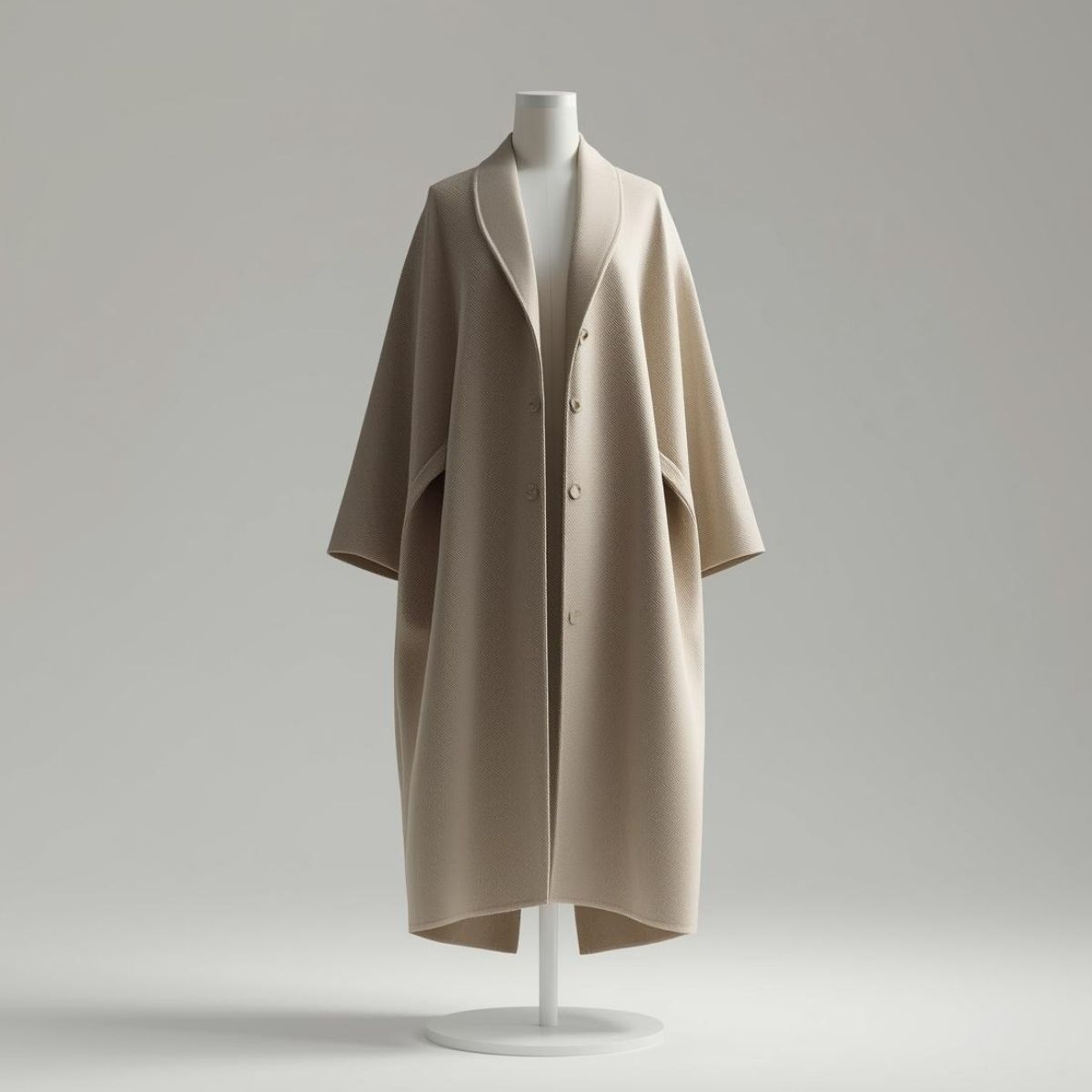
The garment is no longer something you have to wait for in order to understand. You can see how it fits, how it falls, and what doesn’t work—before it’s ever made.

This shift reflects a broader change in the fashion development process, as highlighted in industry reports on digital transformation in fashion.

And more importantly, everyone sees the same thing.

(Read more here)

Decisions stop being based on descriptions and start being based on something visible.

Which, unsurprisingly, cuts down the back-and-forth.

That’s when waste starts to reduce—not theoretically, but in very real terms.

Fewer materials.
Less time.
Fewer repetitions.

At the same time, all this information feeds into tech packs that are already aligned with both the pattern and the 3D. The atelier doesn’t have to interpret or guess. It has something clear in front of it.

A Better Way to Work

The process stops being a cycle of trial and error and becomes a sequence of decisions.

You’re no longer waiting to spot the problem in the sample.
You’ve already addressed it before you get there.

Technology isn’t here to replace the process or the people behind it. It’s here to improve the flow.

To remove unnecessary steps and uncertainty—so that more time goes into what actually matters:

The creative thinking.
The refinement.
The decisions.

Because the brands that scale are not the ones working harder.

They’re the ones that have removed the chaos from their fashion development process.